Quality Assurance& Accreditation.
The Quality & Accreditation function ensures LEAD College maintains the highest academic and institutional standards — through data-driven monitoring, continuous improvement, and compliance with national and international quality benchmarks.
Internal Quality Assurance Cell
National Board of Accreditation
National Assessment & Accreditation Council
National Institutional Ranking Framework
All India Council for Technical Education
Standards & Recognition
Accredited.Recognised.Trusted.
The Quality & Accreditation function ensures that LEAD College maintains the highest academic and institutional standards. The unit oversees outcome-based education, continuous assessment systems, academic audits, stakeholder feedback, and compliance with regulatory and accreditation requirements.
Through data-driven monitoring and periodic reviews, this office drives continuous improvement — ensuring programs remain current, effective, and aligned with national and international quality benchmarks.


IQAC Leadership
The People Behind Quality Assurance.
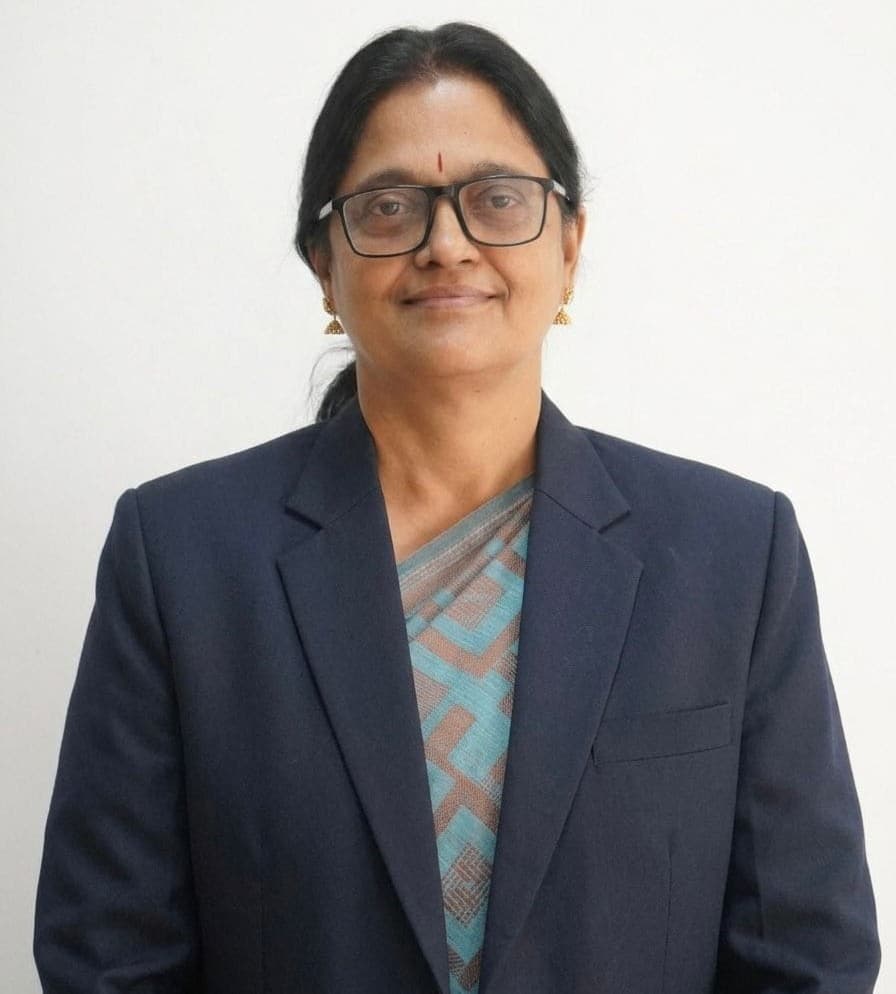
Head of Accreditation
Dr. Sindhu R.
Dr. Sindhu R. leads LEAD College's accreditation efforts, coordinating all activities related to NBA, NAAC, NIRF, and regulatory compliance. Her work ensures that LEAD's programs meet and exceed national and international quality benchmarks.
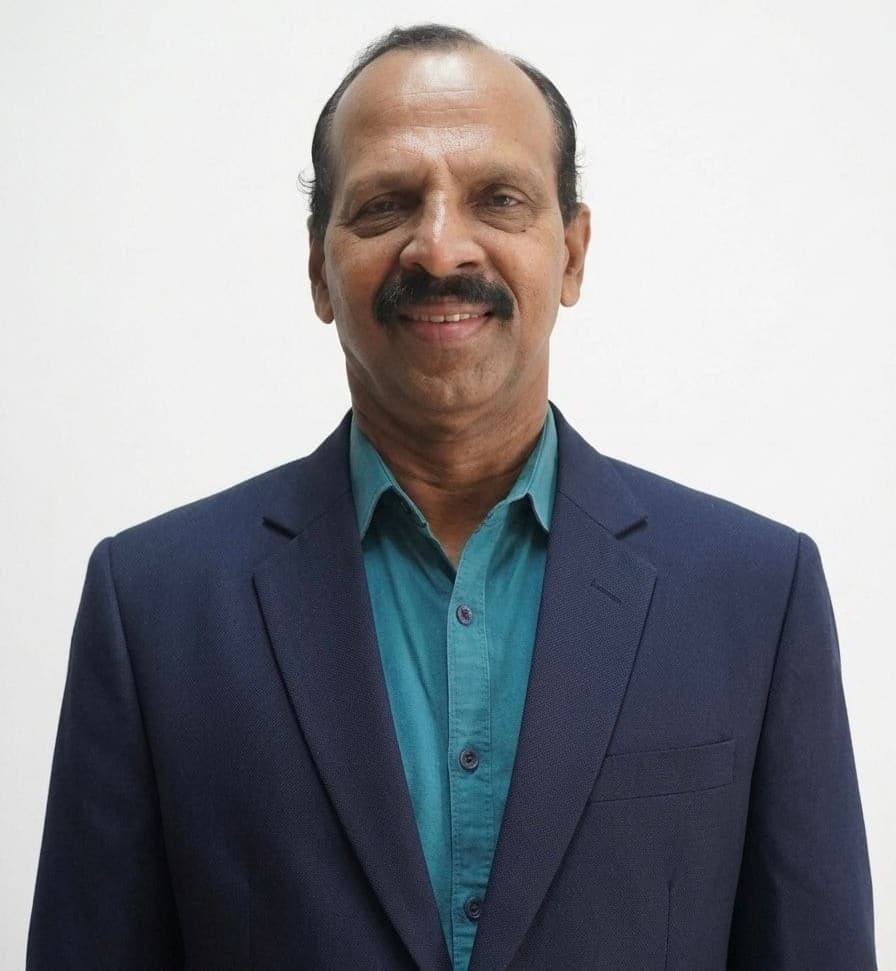
Head of IQAC
Dr. K. G. Viswanathan
Dr. K. G. Viswanathan leads the Internal Quality Assurance Cell at LEAD College, overseeing the implementation of quality systems, academic audit processes, outcome-based education frameworks, and continuous improvement initiatives across all departments.
IQAC Documentation
IQAC Formation Letter
Official formation document establishing the Internal Quality Assurance Cell at LEAD College.
Regulatory Compliance
Mandatory Disclosures.
All statutory disclosure documents as required by AICTE, NBA, NAAC, NIRF, and governing bodies.
AICTE Essentials
07 DOCSNBA
02 DOCSNAAC
01 DOCSNIRF
08 DOCSFinancial Statements
05 DOCSPedagogical Innovation
Faculty Initiatives on
Teaching & Learning.
Institutional Commitment to Pedagogical Innovation
LEAD College has institutionalised a culture of pedagogical innovation — a strategic move beyond traditional lecture-based delivery to a dynamic, learner-centric model aligned with Outcome-Based Education (OBE) principles.
Over the past three academic years, our faculty have systematically designed, implemented, and refined a portfolio of diverse instructional strategies that promote experiential learning, critical thinking, and real-world application.
Each initiative is reproducible across courses and faculty, and serves as a foundation developed further through iterative feedback and technological integration — ensuring our curriculum remains responsive to industry needs.
8
Teaching Innovations
3
Academic Years
Expeditionary Learning
Immersive field-based learning journeys that connect classroom theory to real-world challenges and industry environments.
Structured Gamified Modules
Curriculum delivered through carefully designed game mechanics that reinforce core concepts and boost engagement.
Real-Time Data-Driven Analysis
Live datasets and analytics tools integrated into coursework, training students to derive insights from current market information.
Lateral Learning Frameworks
Cross-disciplinary connections that encourage students to draw parallels between management domains and adjacent fields.
Flipped Classroom Models
Pre-session content delivery frees in-class time for deeper discussion, problem-solving, and collaborative exercises.
Project-Based Learning
Sustained, outcome-driven projects that replicate real business scenarios and develop end-to-end problem-solving skills.
Collaborative Learning Environments
Structured peer-to-peer learning frameworks that mirror professional team dynamics and sharpen interpersonal competencies.
Technology-Enhanced Instruction
Digital tools, simulations, and AI-assisted feedback loops woven seamlessly into the delivery of every programme.
Comprehensive Summary
A detailed, comprehensive overview of the innovative teaching methodologies implemented by our faculty — sorted chronologically and alphabetically, covering 2022–2025.